Get Well And Septic Inspection in Denver, CO
Well and septic inspection services for Denver-area property owners identify potential system issues, ensuring safe, functional, and compliant septic and wastewater systems for various projects.
Property owners in Denver, CO, who are planning to buy, sell, or maintain a property often find it beneficial to have a comprehensive well and septic inspection. These services help ensure that water systems are functioning properly and meet local regulations, providing peace of mind during real estate transactions or routine maintenance. Exploring options from nearby service providers allows property owners to compare approaches and find the right fit for their specific needs, making informed decisions about their property's infrastructure.
For those considering upgrades, repairs, or new installations, connecting with experienced local contractors can streamline the process and help avoid potential issues down the line. Well and septic inspections are practical steps in managing property value and functionality, especially in areas like Denver where local standards and conditions can vary. Continuing to read can provide valuable insights into how these services support property owners in maintaining safe, reliable water systems.
- Well Inspection - homeowners in Denver neighborhoods may need this service before purchasing or selling a property.
- Septic System Inspection - property owners in suburban areas should consider this when experiencing drainage issues or preparing for a sale.
- Pre-Listing Inspection - real estate agents and sellers often use this to identify potential concerns before listing a property in Colorado Springs.
- Routine Maintenance Inspection - residents in rural or older homes may schedule regular checks to prevent costly repairs.
- Troubleshooting Service - those noticing foul odors, slow drains, or backups can benefit from a local contractor’s assessment.
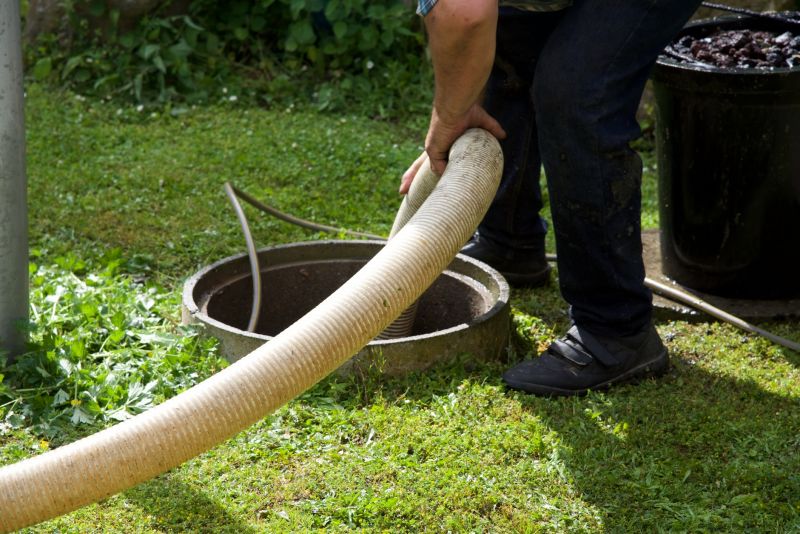
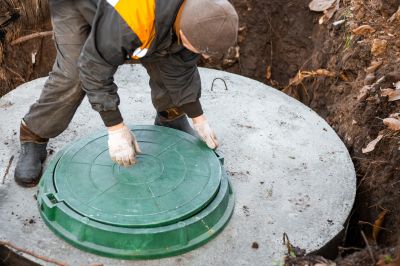
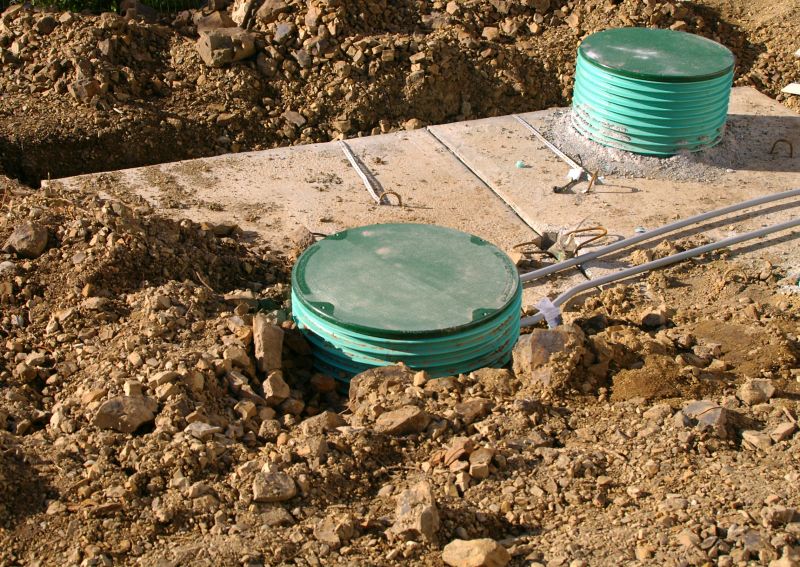
Well and septic inspection services involve a thorough evaluation of a property's water supply and waste management systems. For wells, this includes checking the condition of the well structure, testing water quality, and ensuring that the pump and filtration systems are functioning properly. Septic inspections typically involve examining the septic tank, drain field, and associated components to identify any signs of leaks, blockages, or deterioration. These inspections help homeowners understand the current state of their systems and identify potential issues before they lead to costly repairs or system failures.
This service is essential for diagnosing problems that may not be immediately visible but can cause significant inconvenience or health concerns. For example, a well that produces low water pressure or tests indicate contamination might require repairs or treatment. Similarly, septic systems that are failing can cause sewage backups, foul odors, or groundwater contamination. Regular inspections can help catch these issues early, preventing more extensive damage and ensuring the property remains safe and functional.
Properties that typically utilize well and septic inspection services include rural homes, properties with older systems, or homes that are not connected to municipal water or sewer lines. These inspections are especially common during real estate transactions, as buyers want to confirm the integrity of the property’s water and waste systems before completing a purchase. Additionally, homeowners who notice changes in water quality, unusual odors, or slow drainage may seek an inspection to identify underlying problems and determine necessary repairs or upgrades.
Choosing experienced service providers for well and septic inspections ensures a comprehensive assessment of the property’s systems. Local contractors can identify issues such as cracked well casings, contaminated water sources, septic tank leaks, or drain field failures. Regular inspections are a practical step for maintaining the functionality of these systems, avoiding emergency repairs, and ensuring the property remains a safe and comfortable place to live. Contacting qualified professionals is a reliable way to keep water and waste systems in good condition and address any concerns promptly.
The overview below groups typical Well And Septic Inspection projects into broad ranges so you can see how smaller, mid-sized, and larger jobs often compare in Denver, CO.
In many markets, a large share of routine jobs stays in the lower and middle ranges, while only a smaller percentage of projects moves into the highest bands when the work is more complex or site conditions are harder than average.
Routine Inspection - typical costs for a standard well and septic inspection range from $250 to $600. Many homeowners in Denver and nearby areas fall within this middle band for routine checks. Fewer projects, especially those with more complex systems, may push costs above this range.
Minor Repairs - small repairs or adjustments identified during inspections often cost between $150 and $400. These are common for routine maintenance and tend to be on the lower end of the cost spectrum. Larger or more involved repairs can increase the total, but such cases are less frequent.
Full System Evaluation - comprehensive inspections of both well and septic systems typically cost between $400 and $1,000. Many projects in this category are standard evaluations, while more detailed assessments for older or complex systems can reach higher prices.
Full Replacement - complete replacement of well or septic systems can range from $5,000 to $20,000 or more. These larger projects are less common but may be necessary for systems that have failed or are outdated, especially in rural or older properties in the Denver area.
Actual totals will depend on details like access to the work area, the scope of the project, and the materials selected, so use these as general starting points rather than exact figures.
Well Water Testing - Local contractors who perform well and septic inspections often have experience testing well water quality and identifying potential contamination issues.
Septic System Pumping - Professionals skilled in septic inspections are also equipped to handle septic system pumping and maintenance tasks.
Drain Field Evaluation - Similar planning and assessment skills are used by service providers when evaluating drain field conditions and functionality.
Water Line Inspection - Inspecting water lines for leaks, blockages, or damage shares technical knowledge with well and septic system evaluations.
Tank Installation & Repair - Installing or repairing septic tanks requires expertise in underground systems, related to septic inspection services.
Leak Detection Services - Detecting leaks in underground pipes or tanks involves similar tools and planning as well and septic system assessments.
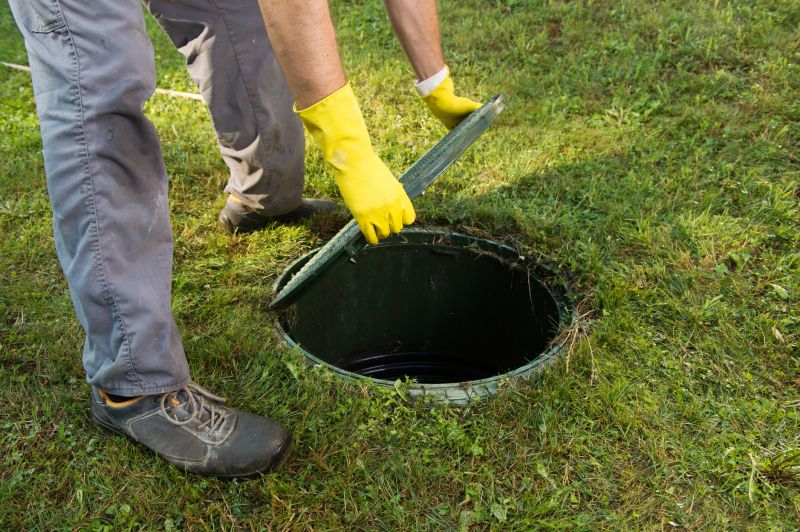
When comparing service providers for well and septic inspections, it’s important to consider their experience with similar projects in the Denver area. Homeowners should look for local contractors who have a proven track record of performing inspections on properties comparable to their own. An experienced provider understands the common issues that can arise in local soils, water tables, and property types, which can help ensure a thorough and accurate evaluation. Asking for details about the number of inspections completed in the region can give a better sense of their familiarity with local conditions and standards.
Clear written expectations are essential when choosing a well and septic inspection service. Homeowners should seek providers who can offer a detailed scope of work, outlining what the inspection will cover and what reports or documentation will be provided afterward. This clarity helps prevent misunderstandings and ensures that all parties are aligned on the process. Reputable local contractors are often willing to share references or examples of previous work, giving homeowners confidence in their professionalism and reliability. Good communication from the start can also indicate how responsive and transparent the service provider will be throughout the inspection process.
Ultimately, good communication and reputable references are key factors in selecting a dependable well and septic inspection service. Homeowners should look for local contractors who are responsive to inquiries and willing to answer questions clearly, demonstrating their commitment to customer service. Checking references or reviews can provide insights into past experiences, helping to gauge the quality of the provider’s work and professionalism. Since this site introduces homeowners to local options rather than performing the inspections itself, it’s important to evaluate each provider’s experience, clarity, and communication to find the best fit for the project.
Property owners in Denver, CO use Well And Septic Inspection services for practical projects around their homes and businesses. This guide focuses on everyday jobs and straightforward project options.
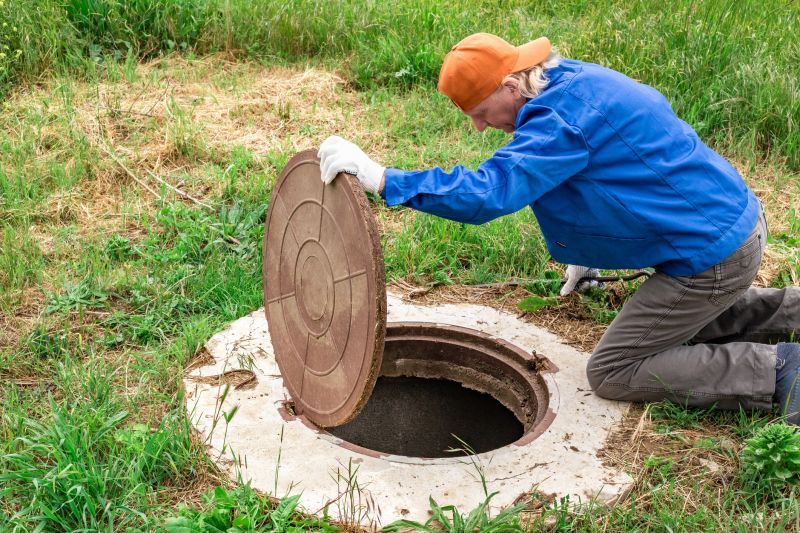
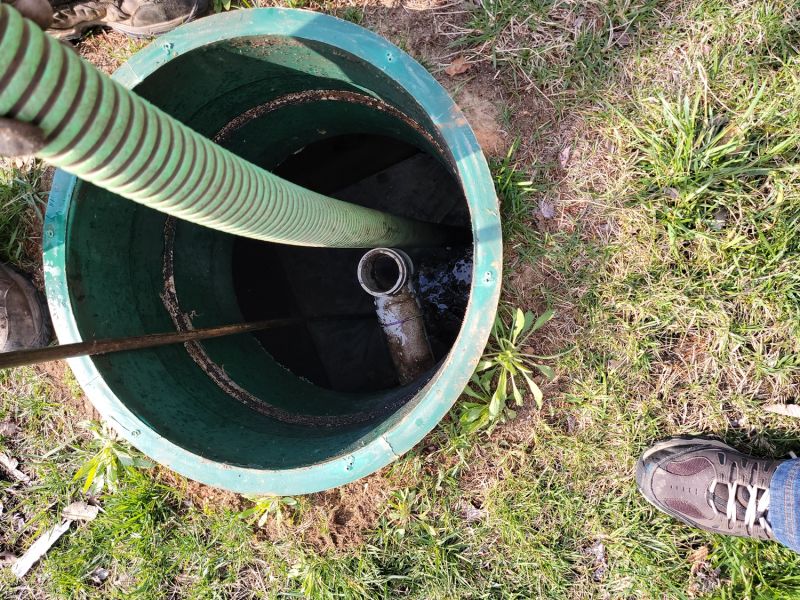
Well and septic inspection services are often needed when property owners in Denver, CO are considering purchasing a home or property with an existing septic system. These inspections help identify potential issues that could lead to costly repairs or system failures down the line. Additionally, homeowners may seek inspections if they notice signs of trouble, such as slow drains, unpleasant odors, or standing water around the septic area, to determine the cause and plan necessary maintenance or repairs. Local contractors who specialize in septic and well systems can provide the expertise needed to assess the condition of these systems and ensure they are functioning properly.
Property owners in Denver might also look for well and septic inspection services when preparing for property renovations or additions that could impact the existing systems. Routine inspections can help prevent unexpected problems during upgrades or repairs, especially in older homes where systems may be outdated or deteriorating. Whether for new construction, system upgrades, or routine checks, local service providers are available to handle these inspections and help ensure that wells and septic systems meet the necessary standards for safe and reliable operation.
What is a well and septic inspection? A well and septic inspection involves evaluating the condition and functionality of a property's water supply system and waste management system to identify potential issues.
Why should I get a well and septic inspection before buying a property? An inspection helps uncover any existing problems or needed repairs, providing peace of mind and helping to avoid costly surprises after purchase.
What does a typical well and septic inspection include? It usually includes checking water flow, testing water quality, inspecting septic tank components, and assessing overall system operation.
How often should well and septic systems be inspected? Regular inspections are recommended, especially when buying a property or if systems are more than a few years old, to ensure proper functioning.
How can I find local contractors who perform well and septic inspections? This service helps connect homeowners with experienced service providers in the area who specialize in well and septic system evaluations.
Septic System Inspection - Property owners can schedule inspections to ensure their septic system is functioning properly before purchasing a home or during routine maintenance.
Well System Evaluation - Homeowners can have local contractors assess their well’s condition to verify water quality and system integrity for safe daily use.
Pre-Listing Property Checks - Sellers can arrange inspections to identify and address potential issues that may affect property value or sale negotiations.
Emergency System Assessment - In case of water or sewage concerns, property owners can request evaluations to diagnose problems and plan necessary repairs.
If you are thinking about Well And Septic Inspection for a property in Denver, CO, this guide is meant to help you understand the work, the typical project types, and how different options might fit your plans.
When you are ready, you can use the quote form on this page to share a few details about your project. From there, local pros can review the basics and respond with options that match what you have in mind.