Get Well And Septic Inspection in Longmont, CO
Well and septic inspection services for Longmont property owners identify system issues, ensure proper function, and support residential or commercial projects involving septic or drainage systems.
Planning property improvements or preparing for a real estate transaction in Longmont, CO often involves ensuring the functionality and safety of your well and septic systems. Well and septic inspections provide valuable insights into the condition of these critical components, helping property owners make informed decisions. Whether you're considering a new installation, evaluating an existing system, or preparing to sell, understanding the state of your well and septic can prevent unexpected issues and support smooth project planning.
For those exploring options in the Longmont area, connecting with experienced local contractors can offer clarity and confidence in your next steps. These service providers specialize in well and septic inspections, providing detailed assessments that can aid in comparing different solutions and planning future work. Continuing to explore your options can help ensure your property remains safe, functional, and compliant with local requirements.
- Well Inspection - when purchasing a home in neighborhoods around Longmont, CO, to ensure the well system is functioning properly.
- Septic System Inspection - before selling or buying property in areas with septic systems, such as rural communities near Longmont, CO.
- Routine Well Testing - for homeowners seeking regular assessments of water quality in neighborhoods across Longmont and nearby towns.
- Septic System Evaluation - when experiencing backups, odors, or drainage issues in residential areas outside Longmont’s city limits.
- Water Supply Inspection - for properties in Longmont suburbs where water flow or pressure concerns arise, indicating a need for professional assessment.
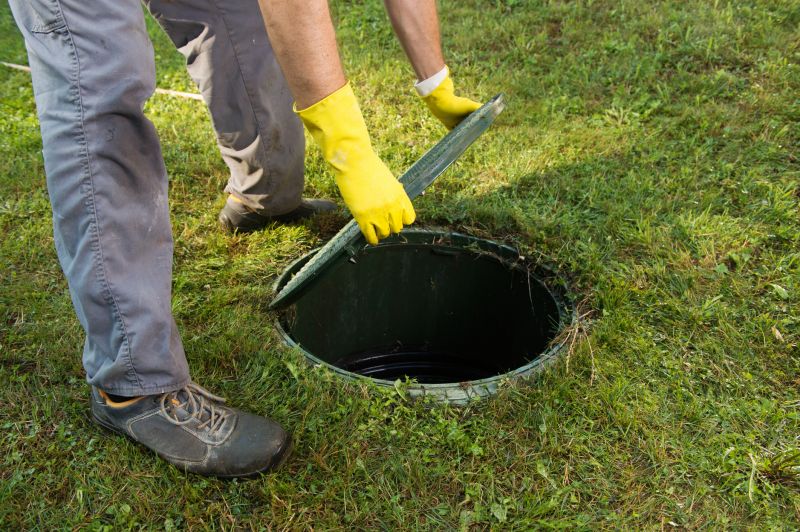
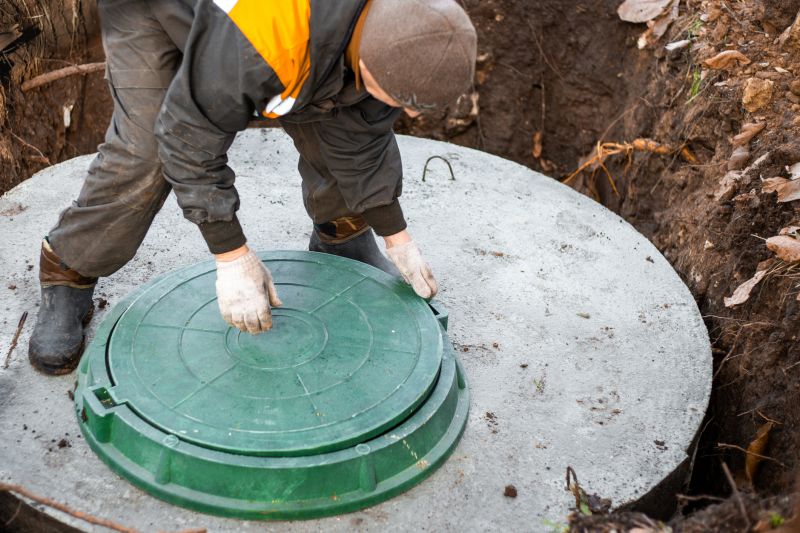
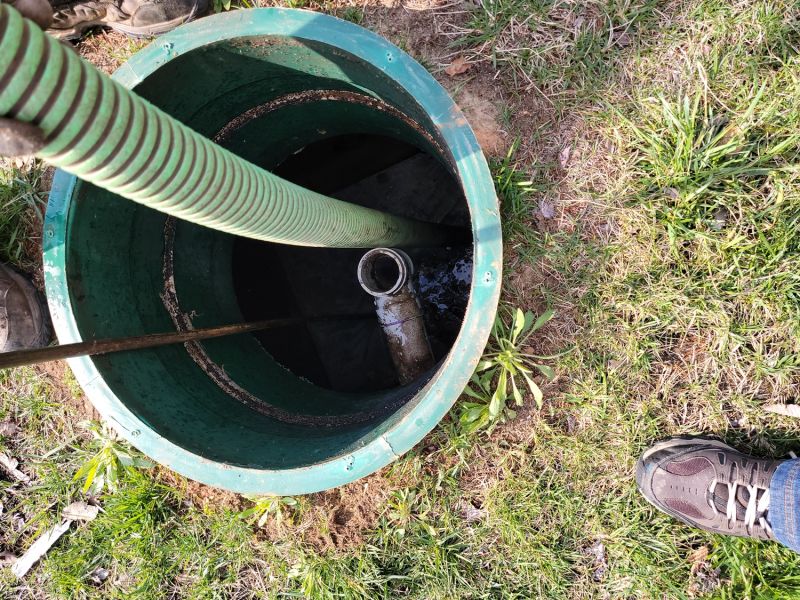
Well and septic inspection services involve a thorough evaluation of a property's water and sewage systems to ensure they are functioning properly. These inspections typically include examining the condition of septic tanks, drain fields, and associated plumbing. Service providers assess for signs of leaks, blockages, corrosion, or other issues that could lead to costly repairs or system failure. Conducting an inspection can help identify potential problems early, preventing more serious damage and ensuring the systems meet local health and safety standards.
These inspections are especially useful when a property is being purchased, as they provide a clear picture of the current state of the well and septic systems. Homeowners may also seek inspections if they notice signs of trouble, such as slow drains, foul odors, or unusually high water bills. Regular inspections can help prevent emergencies by catching issues like sewage backups, contaminated well water, or system malfunctions before they become urgent problems. For rural properties, older homes, or properties with private water sources, well and septic inspections are an essential part of ongoing maintenance and safety.
The types of properties that typically use well and septic inspection services include rural homes, farms, and properties outside municipal sewer and water service areas. These systems are common in areas where connecting to city utilities is impractical or cost-prohibitive. Additionally, properties with existing septic systems may require periodic inspections to ensure ongoing compliance and proper operation. Whether a property is being prepared for sale, experiencing system issues, or simply due for routine checkups, local service providers can perform comprehensive inspections tailored to the property’s specific needs.
Homeowners in Longmont, CO, and nearby areas often turn to well and septic inspection services to maintain the safety and functionality of their water and sewage systems. These inspections help identify problems that could impact health, property value, and daily living. By working with experienced local contractors, homeowners can ensure their systems are in good condition and address any issues promptly. Contacting a qualified service provider for an inspection is a practical step toward protecting the home’s infrastructure and avoiding unexpected expenses down the line.
The overview below groups typical Well And Septic Inspection projects into broad ranges so you can see how smaller, mid-sized, and larger jobs often compare in Longmont, CO.
In many markets, a large share of routine jobs stays in the lower and middle ranges, while only a smaller percentage of projects moves into the highest bands when the work is more complex or site conditions are harder than average.
Routine Inspection - typical costs for standard well and septic inspections range from $250 to $600. Many smaller, routine inspections fall within this middle range, while more comprehensive evaluations may approach the higher end. Prices can vary based on property size and system complexity.
Minor Repairs - minor repairs such as fixing leaks or replacing small components often cost between $150 and $400. These jobs are common and usually fall in the lower to mid-price ranges, with fewer projects reaching the upper tiers for more extensive fixes.
System Pumping - septic tank pumping services typically cost between $200 and $500 for most residential systems. Larger or more complex systems can push costs toward $600 or more, though many projects stay within the middle range.
Full System Replacement - complete replacement of a well or septic system can range from $3,000 to $10,000 or higher, depending on the size and scope. While larger projects are less frequent, many service providers handle jobs in the lower to mid-range for standard systems.
Actual totals will depend on details like access to the work area, the scope of the project, and the materials selected, so use these as general starting points rather than exact figures.
Well Water Testing - local contractors perform water quality assessments that require similar sampling, testing, and inspection skills as septic system evaluations.
Drain Field Repair - professionals assess and repair drainage systems, utilizing knowledge of soil, water flow, and system components akin to septic inspections.
Sewer Line Inspection - using specialized equipment to evaluate underground pipes, these projects involve planning and tools similar to septic system evaluations.
Water Pump Installation - installing and maintaining pumps involves understanding water systems and infrastructure comparable to well inspections.
Tank Removal and Replacement - handling underground tanks requires careful planning and inspection skills similar to those used in septic system assessments.
Water Well Drilling - drilling new wells involves site evaluation, planning, and equipment use that align with the skills used in well inspections.
When comparing service providers for well and septic inspections in Longmont, CO, it’s important to consider their experience with similar projects. Homeowners should look for local contractors who have a proven track record of handling well and septic systems in comparable settings. An experienced professional will be familiar with the common issues specific to the area and can provide insights into what to expect during the inspection process. This familiarity can help ensure a thorough assessment and reduce the likelihood of unexpected surprises down the line.
Clear written expectations are essential when selecting a provider for well and septic inspections. Homeowners should seek out service providers who can outline the scope of the inspection in detail, including what will be checked and what the homeowner can expect to receive in terms of documentation or reports. Having this clarity helps prevent misunderstandings and ensures everyone is aligned on the process. It’s also beneficial to request references or examples of previous work to verify that the contractor’s approach aligns with the homeowner’s needs.
Effective communication plays a key role in choosing a reliable service provider. Reputable local contractors prioritize responsiveness and clarity, making it easier for homeowners to ask questions and receive timely answers. Good communication also involves transparency about the inspection process, potential issues, and next steps. While the site introduces homeowners to local options, it’s important to remember that the actual work is performed by local service providers who can be contacted directly. Taking the time to evaluate experience, expectations, and communication can help ensure a smooth and satisfactory inspection experience.
Property owners in Longmont, CO use Well And Septic Inspection services for practical projects around their homes and businesses. This guide focuses on everyday jobs and straightforward project options.
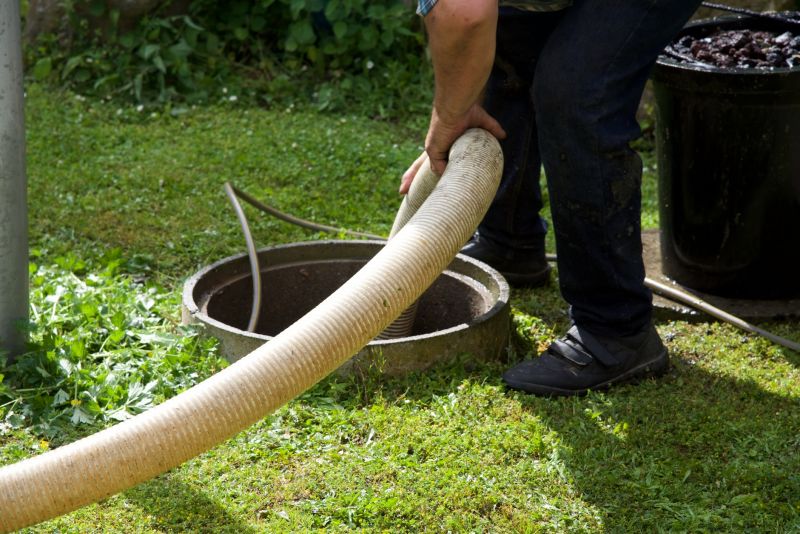
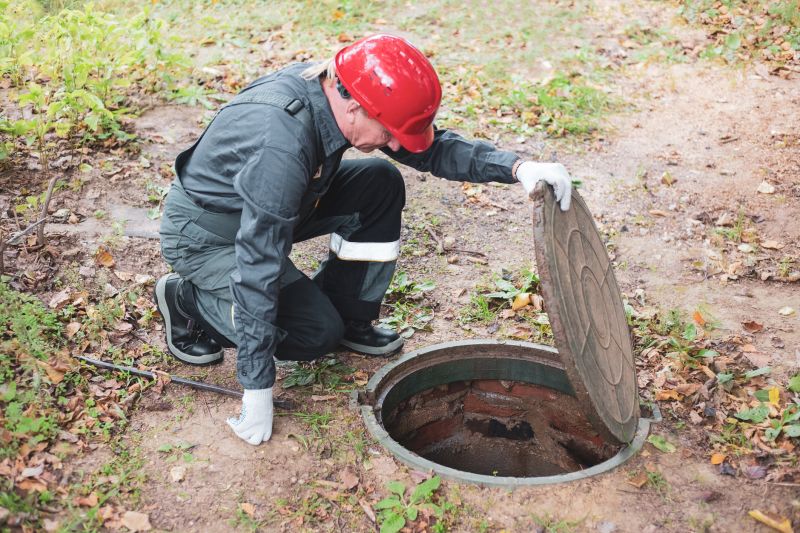
Well and septic inspection services are commonly needed when property owners in Longmont, CO are considering purchasing a home or property with an existing septic system. A thorough inspection can help identify potential issues that might not be immediately visible, such as leaks, clogs, or system failures, giving buyers and sellers peace of mind before finalizing a transaction. Additionally, homeowners may seek inspections to ensure their systems are functioning properly, especially if they notice signs like slow drains, unpleasant odors, or standing water around the septic area, which could indicate underlying problems that require professional attention.
Property owners in Longmont might also look for septic and well inspections as part of routine maintenance or before making improvements like adding new fixtures or expanding the property. Regular inspections can help detect early signs of system deterioration, preventing costly repairs down the line. When issues arise, local contractors specializing in well and septic services can provide the necessary assessments and solutions, ensuring systems operate efficiently and comply with local regulations.
What is involved in a well and septic inspection? A professional inspection typically includes checking the condition of the well system, testing water quality, and evaluating the septic system’s components and functionality.
Why should I have a well and septic inspection before buying a property? An inspection can identify potential issues with water safety and septic system performance, helping buyers make informed decisions and avoid unexpected repairs.
How do local contractors assess well and septic systems? They perform visual inspections, test water samples, and evaluate system components to ensure proper operation and compliance with local standards.
What signs indicate I might need a well or septic inspection? Signs include unusual water taste or odor, slow drains, or unexplained pooling or backups on the property, which suggest issues with the systems.
Can a well and septic inspection find hidden problems? Yes, thorough inspections can reveal underlying issues that may not be immediately apparent, such as system deterioration or potential contamination risks.
Septic System Inspection - property owners can schedule inspections before purchasing a home to ensure the septic system is functioning properly.
Well Water Testing - homeowners may use testing services to verify water safety and quality for daily use and family health.
Drain Field Evaluation - local contractors can assess the condition of drain fields to prevent backups and costly repairs.
Routine Maintenance Checks - property owners can arrange regular inspections to identify potential issues early and maintain system performance.
If you are thinking about Well And Septic Inspection for a property in Longmont, CO, this guide is meant to help you understand the work, the typical project types, and how different options might fit your plans.
When you are ready, you can use the quote form on this page to share a few details about your project. From there, local pros can review the basics and respond with options that match what you have in mind.